
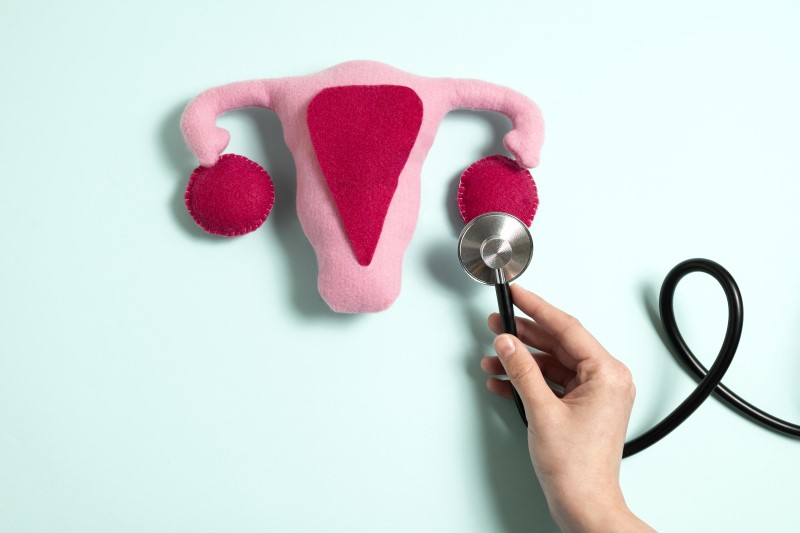
It’s time we have an open discussion about something we often overlook: vaginal health. You might be wondering, "Why is vaginal health so important?" The answer is simple – it’s crucial for comfort, confidence, and overall well-being. Taking care of this essential part of our body ensures we remain healthy. If you’re looking for practical tips to maintain vaginal health, you’ve come to the right place. Let’s dive in!
Understanding Vaginal Health: Key Concepts
You might be asking, “What exactly defines a healthy vagina?” A healthy vagina is one that maintains a balance of "good" bacteria, which helps keep the pH slightly acidic (between 3.8 and 4.5). This balance is vital for preventing infections. Various factors, such as hormonal changes, diet, and even stress, can affect this balance. Here are some indicators of a healthy vaginal environment:
Signs of a Healthy Vagina
- Balanced pH: A mild, natural scent with no strong or unusual odors.
- Clear or white discharge: This is the body’s natural cleaning process and can change throughout the menstrual cycle.
- Comfortable sensation: No itching, pain, or discomfort – if you experience any of these, your body may be signaling that something’s off.
Now let’s explore some easy, actionable steps to maintain vaginal health.
Gentle and Consistent Hygiene Practices
There’s a lot of advice out there on how to maintain hygiene, but let’s focus on what really matters:
- Avoid scented products: Scented soaps or sprays can disrupt the vagina’s natural bacterial balance. Stick with warm water and mild, unscented soap for cleaning the external area.
- Wipe from front to back: This prevents the transfer of bacteria from the rectal area to the vaginal area.
- Opt for breathable fabrics: In India’s hot climate, cotton underwear is ideal. It allows air circulation, keeping the area dry and preventing infections.
Practicing Safe Sexual Health
Safe sex is vital in preserving vaginal health. Here’s how you can protect yourself:
- Use condoms: Condoms are essential for protecting against sexually transmitted infections (STIs) like chlamydia or gonorrhea, which can negatively affect reproductive health.
- Regular STI screenings: The NIH recommends regular STI tests for sexually active individuals. In India, many labs now offer affordable and private testing options, making it easier to include in your health routine.
Diet and Lifestyle Choices for Vaginal Health
What you eat and your lifestyle can have a big impact on vaginal health:
- Stay hydrated: Drinking plenty of water throughout the day helps flush out toxins and supports overall health.
- Include probiotics and fiber: Probiotics from yogurt, curd, and fermented foods help promote good bacteria, essential for vaginal health. Fiber-rich foods like dals, leafy greens, fruits, and whole grains also support hormonal balance.
- Exercise regularly: Physical activity improves circulation and reduces stress, both of which benefit vaginal health. A daily walk, yoga, or light stretching can be effective and simple ways to stay active.
Managing Menstrual Health
How you manage your period can affect vaginal health:
- Choose the right menstrual products: Whether you use pads, tampons, or menstrual cups, make sure they’re comfortable. Change pads or tampons every 4-8 hours to prevent bacterial buildup, especially in warmer weather.
- Track your cycle: Monitoring your cycle can help you anticipate changes and detect any unusual patterns. In India, various cycle-tracking apps are available to make this process easy.
Managing Stress for Better Health
Stress can interfere with hormonal balance, which in turn affects vaginal health. Here are some ways to manage stress:
- Practice yoga or meditation: Mindfulness exercises such as yoga and deep breathing are excellent for stress relief, which also supports vaginal health. Just a few minutes each day can make a difference.
- Prioritize sleep: Adequate rest is essential for balancing hormones and supporting the immune system. Creating a relaxing bedtime routine can ensure you get restorative sleep, even during busy times.
Knowing When to Seek Medical Advice
Sometimes, it’s not always clear when something’s wrong. Here are signs you should consult a gynecologist:
- Unusual discharge: Any sudden change in smell, color, or texture may be a sign of infection.
- Persistent itching or burning: These are common symptoms of infections like bacterial vaginosis or yeast infections.
- Pain during intercourse: This could indicate vaginal dryness or an infection, and it’s important to seek medical advice.
The Importance of Regular Gynecological Check-ups
In India, many women avoid visiting a gynecologist unless there’s a noticeable issue, but routine check-ups are key for preventive care. If you’re sexually active, have irregular cycles, or experience other concerns, annual check-ups are important for early detection and peace of mind.
Embrace Your Health Journey
Caring for vaginal health is an important aspect of self-care. By adopting a few simple, healthy habits, you can stay comfortable, confident, and in control of your health. Remember, everyone’s health journey is unique, so embrace what works for you, stay curious, and seek help when needed. Knowledge is the best way to support your health and well-being.